Let's name the thing nobody talks about
You're still having orgasms. They're just... smaller. Like the difference between watching fireworks at a distance versus up close. The sensation is there, but it feels muted. Flat. Less like a full-body event and more like a checkbox you're ticking off.
This is real. And it's not a sign that your best days are behind you.
What actually happens to orgasm intensity
Orgasms are fundamentally a chain reaction in your nervous system and pelvic floor. When arousal builds, blood flow increases to the clitoris, tissue swells, and nerve endings fire in rapid sequence. That cascade is what creates intensity.
But several things can weaken this chain reaction without turning it off entirely.
Hormonal shifts dampen the response. After 40, estrogen drops, which means the tissue around and inside the clitoris gets thinner. Thinner tissue means fewer nerve endings firing at peak intensity. Postpartum, prolactin levels stay elevated while estrogen takes time to climb back. If you're on antidepressants, hormonal birth control, or blood pressure medication, those can muffle the signal too.
Pelvic floor tension actually works against you. If your pelvic floor muscles stay partially contracted between sessions (which happens with stress, aging, or chronic bracing), orgasms can't build the same dramatic momentum. It's like trying to accelerate with the parking brake halfway on.
Reduced arousal time cuts the process short. If you're moving toward orgasm in 5 minutes instead of 15, your nervous system doesn't have time to reach its peak frequency. This happens when arousal takes longer to build (which is normal after 40 or postpartum) but you're still rushing the timeline.
Desensitization to friction is wildly common. Direct vibration or manual friction can, over time, require more intensity to create the same sensation. Your nerve endings adapt. It's the same reason a vibrator that felt amazing in month one might feel ordinary in month six.
Why clitoral suction works differently
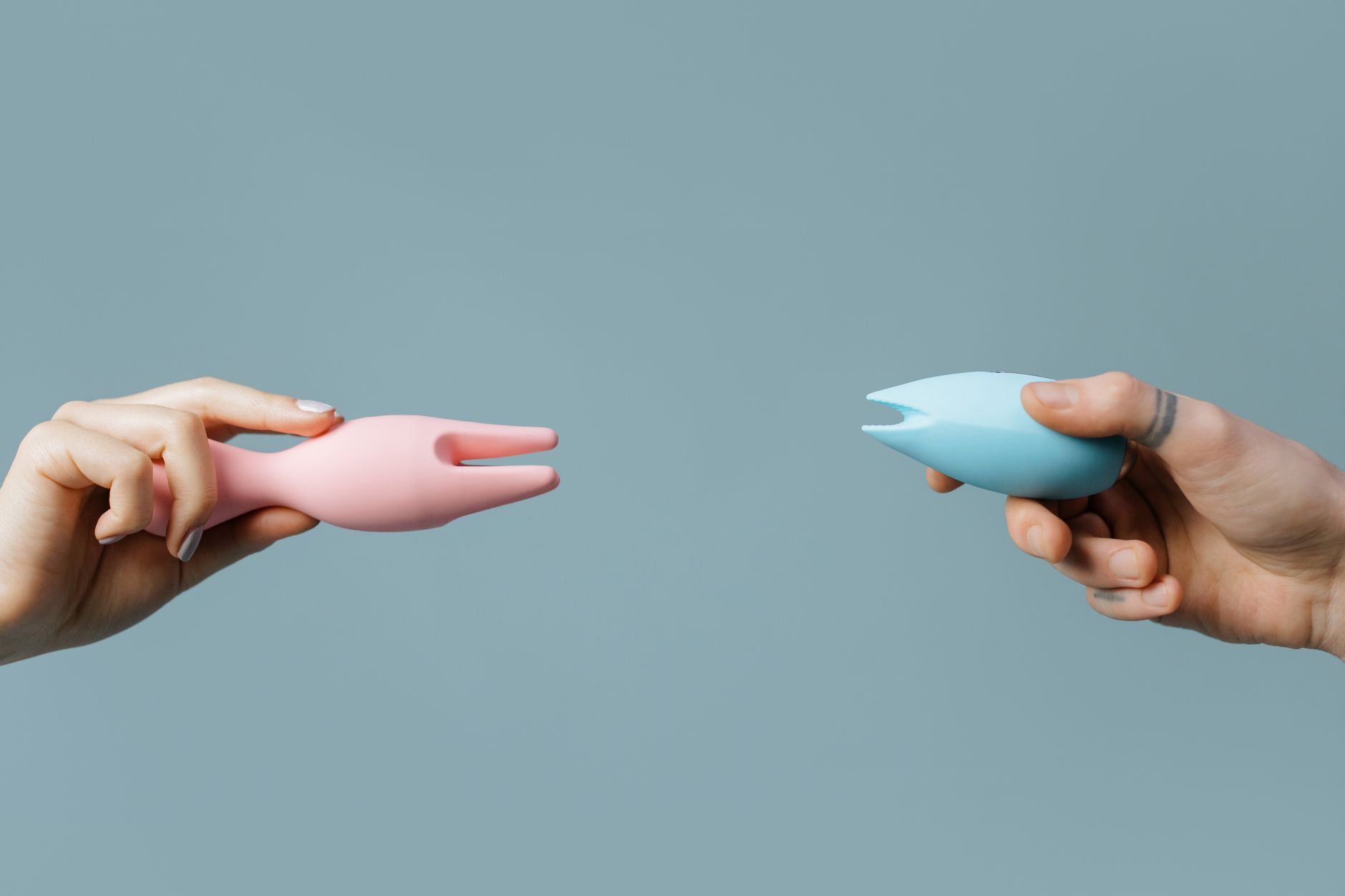
Here's where lemon vibrators and clitoral suction devices shift the game. Instead of direct friction or vibration, suction creates a sealed pressure change around the clitoris. Think of it like the difference between rubbing a muscle and using a massage cup.
With the Lem, you're not stimulating the same nerve pathways the same way. The suction is rhythmic, consistent, and uses gentle negative pressure instead of contact friction. For people whose intensity has faded, this often feels like waking up a sensation that was there all along but sleeping.
The mechanism also lets you build intensity more slowly and deliberately. You're not jumping from low to high. You're creating a sustained build that your nervous system actually has time to register. That's what restores the full-body quality that made orgasms feel intense in the first place.

Photo by cottonbro studio on Pexels
How to actually restore intensity
Start with arousal time, not the toy. If your orgasms feel weaker, the first issue is usually rushing through the buildup. Spend 20 to 30 minutes on foreplay or solo stimulation before introducing the lemon vibrator. Let your nervous system actually reach the frequency it needs to peak.
Use lower settings first. With a clitoral suction device, resist the urge to jump to high intensity. Start on pattern 1 or 2 and sit there for a full minute. You're training your nervous system to recognize and amplify the signal, not shocking it into submission.
Relax your pelvic floor completely before starting. This one matters enormously. Spend 2 to 3 minutes with intentional relaxation. Breathe into your pelvic floor. On the exhale, imagine it releasing completely. A tight pelvic floor limits how much intensity you can actually feel.
Build duration, not speed. Instead of chasing a faster orgasm, aim for one that lasts 10 to 15 seconds. Use the Lem to sustain the peak rather than reach it instantly. Longer = more intense neurologically.
The partner piece (if that applies to you)
If you're working with a partner, they need to understand this isn't about them. Your orgasm intensity shifting has nothing to do with attraction or desire. It's a mechanical and hormonal change. The best thing your partner can do is slow down alongside you. That means longer foreplay, lower pressure about orgasm timing, and genuine curiosity about what actually feels good now instead of what felt good five years ago.
Many of the people I work with find that when they stop chasing the intense orgasm they remember and start exploring the intensity available right now, the sensation actually deepens. Not back to what it was. Forward to something different.
Medical stuff worth knowing
If your orgasm intensity dropped suddenly and dramatically, check with your doctor. Medication side effects are real. So is low testosterone (which people with vulvas produce too). A good menopause-trained provider or sexual health specialist can run a simple blood test and might suggest topical testosterone or adjusting your current medication.
Similarly, if you're postpartum and your orgasms feel completely absent or painful, pelvic floor physical therapy can be transformative. It's not just about strength. It's about coordination and release.
But if the shift is gradual and not accompanied by pain, you're almost certainly looking at normal hormonal or age-related changes that respond beautifully to better technique and the right tool.
Why intensity matters (and when it doesn't)
Orgasm intensity isn't the only measure of pleasure. Some people find that their most satisfying orgasms now are quieter, more internal, less about the peak and more about the whole experience. That's legitimate and wonderful.
But if you're someone who genuinely misses that full-body release, that's also legitimate. You're not chasing something you've lost. You're learning how to access it differently.
The Lem exists partly because this problem is common enough that thousands of people were looking for a solution. Clitoral suction devices work for weak orgasm intensity because they bypass the desensitization that happens with traditional vibration.
FAQ: Orgasm intensity and clitoral vibrators
Why do orgasms feel less intense after 40?
Hormonal shifts, thinner clitoral tissue, and reduced blood flow all contribute. Estrogen decline means tissue loses elasticity and nerve density decreases. Additionally, it often takes longer to reach arousal at this age, and if you're still moving quickly through sex, your nervous system doesn't have time to reach peak frequency. Slowing down and extending foreplay alone can restore some intensity.
Can medications really make orgasms feel weaker?
Absolutely. Antidepressants, particularly SSRIs, are notorious for muting sexual response. Blood pressure medications, hormonal birth control, and antihistamines can all affect intensity. If your orgasms shifted when you started a new medication, talk to your prescriber. Sometimes switching the timing of your dose or trying a different medication helps.
Is a lemon vibrator better than a regular vibrator for weak orgasms?
For most people experiencing weaker intensity, yes. Suction stimulates different nerve pathways than direct vibration. It also allows for slower, more deliberate buildup, which gives your nervous system time to register sensation. That sustained pressure is often what brings back the full-body quality people miss.
How long does it usually take to feel a difference?
Many people notice a shift within 3 to 5 sessions. But it takes time for your nervous system to relearn what intensity feels like. Give yourself at least two weeks of consistent use at lower settings before deciding if it's working. The goal isn't to chase the strongest sensation instantly. It's to rebuild the pathway.
What if my pelvic floor is too tight and that's causing weak orgasms?
You might need pelvic floor physical therapy before a vibrator makes sense. A PT can help you learn to relax and coordinate your pelvic floor. Once you can release completely, a clitoral suction device becomes way more effective. The two often work best together.
Can weak orgasms come back on their own without using a toy?
Sometimes. If you extend foreplay, slow down, and give yourself real time to build arousal, intensity often improves. But for many people, especially those dealing with hormonal shifts, adding a different type of stimulation (like suction) is what actually restores the sensation. It's not that you need a toy. It's that a toy designed for this specific problem often solves it faster.
The real thing
Weak orgasm intensity isn't a personal failure. It's a signal that your body needs a different approach. Whether that's more time, less pressure, different stimulation, or a combination of all three, the sensation you're missing is absolutely accessible. You just have to meet your body where it is now, not where it was before.
If you're ready to explore how a lemon clitoral vibrator might help, start slow. Lower settings. Longer buildup. Full pelvic floor relaxation. The intensity you're looking for is still there. You're just learning the new frequency it runs on.