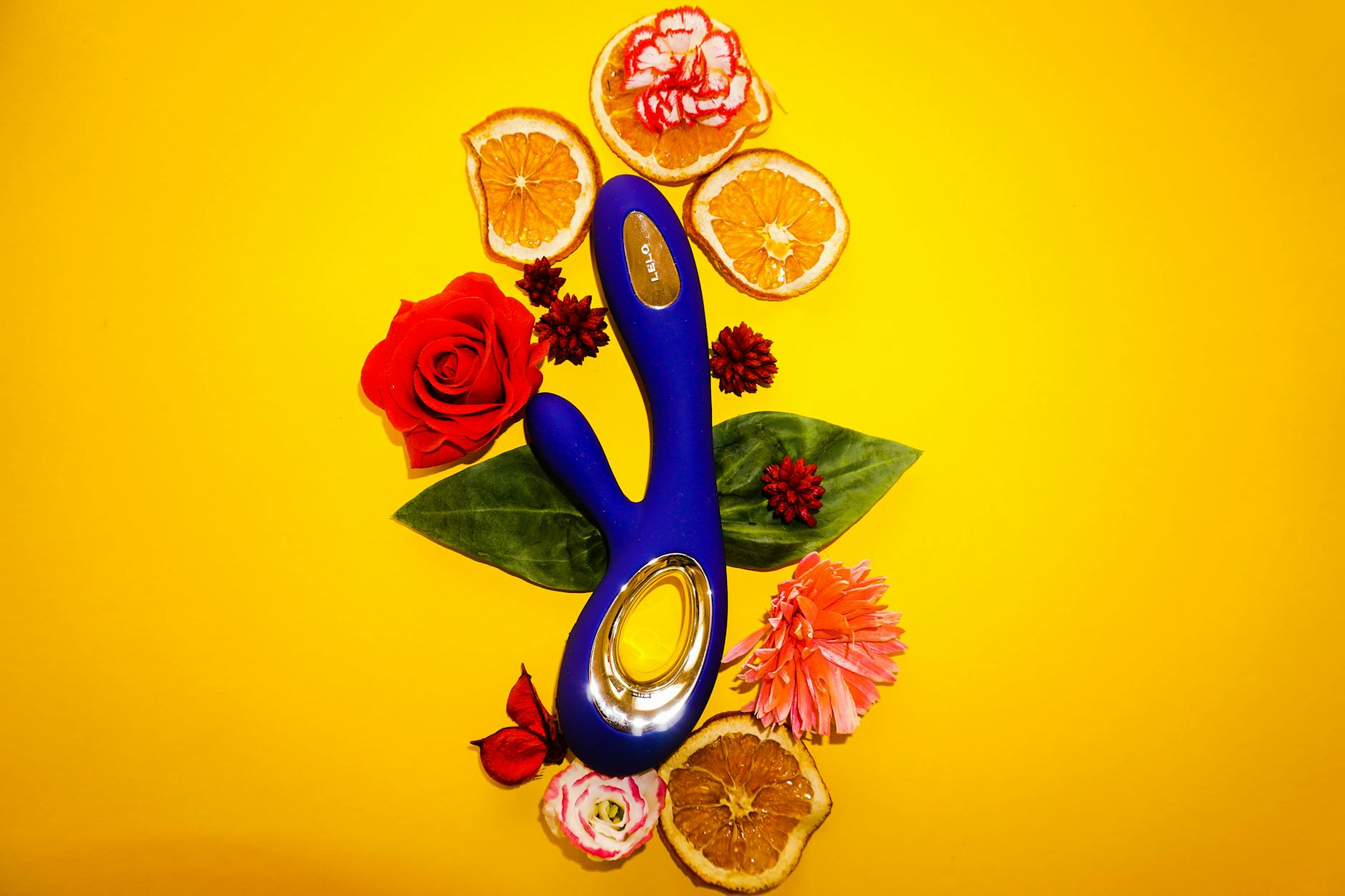
How to Use a Lemon Vibrator When Recovery Timelines Feel Slow After Illness
Here's the thing nobody tells you about recovery: your body comes back in chunks, not all at once. Energy returns first. Then appetite. Then the ability to sit without fatigue pulling you under. And then, weeks or sometimes months later, you notice that sex used to feel good and currently doesn't. Or doesn't feel like much of anything.
That gap between physical recovery and sexual recovery is real. It's normal. And it doesn't mean something is broken. Your nervous system is still recalibrating after major stress or illness.
Why pleasure takes longer to return than you'd expect
When your body has been under physiological stress, arousal is literally one of the last things to come back online. That's not a design flaw. It's a survival mechanism.
During illness or acute recovery, your sympathetic nervous system (the fight-or-flight branch) has been running the show. It shuts down nonessential functions to preserve energy for healing. Sexual arousal is categorized as nonessential. Your body doesn't care about pleasure when it's trying to rebuild tissue, fight infection, or recover from surgery.
As recovery progresses, your parasympathetic nervous system (rest-and-digest) should gradually take over again. But this transition is rarely linear. Some days you feel almost normal. Other days, you're back to baseline fatigue. Your nervous system hasn't quite learned it's safe to relax into pleasure yet.
The other culprit: physical deconditioning. After weeks or months of reduced activity, your cardiovascular system needs time to build back capacity for the physical demands of arousal and orgasm. Yes, that's a real thing. Blood flow matters. Heart rate matters.
The emotional layer underneath physical recovery
Here's where it gets more complicated. Many people experience a psychological split after serious illness. Your mind knows you're medically cleared for sex. Your body isn't convinced you're safe yet.
If the illness was prolonged, hospitalizations happened, or pain was involved, your nervous system learned to associate your body with threat, not pleasure. That association doesn't switch off the moment the illness does. Rebuilding trust with your own body takes deliberate, gentle, repeated experiences of safety and sensation.
This is where most people get stuck. They expect desire to return the same way it left. But it doesn't. You can't think your way into arousal. You have to feel your way back into it.
What a realistic post-illness pleasure timeline actually looks like
Every recovery is different. But in my practice, I see a pattern:
Weeks 1-4: Fatigue dominates. Solo or partnered sex feels like another task on a recovery checklist. Skip it.
Weeks 4-8: Energy improves. You might notice you want touch again, but arousal still feels distant. This is the sweet spot for starting super gentle sensation work without any pressure for orgasm.
Weeks 8-12: Inconsistent desire. Some days feel almost normal. Others feel flat. This is your nervous system testing whether pleasure is actually safe. Be patient with the variability.
Months 3+: Gradual return to baseline, usually, though some people report that desire changes permanently and that's okay too.
The key: this timeline has nothing to do with your willpower or how much you love your partner. It's neurobiology.
Why lemon vibrators work well in post-illness recovery
Lemon clitoral vibrators, like the suction-based designs from Buy Lem Vibrator, are particularly helpful when you're rebuilding pleasure after illness for three reasons.
First, they require almost zero effort from you. You're not thrusting, not performing, not managing your own rhythm. The vibrator is doing the work. When you're recovering and fatigue is still a factor, this matters enormously.
Second, they work with your body's current sensation capacity rather than against it. After illness, your tissues may be more sensitive or your nervous system may need gentler input to avoid that overwhelmed feeling. Suction-based stimulation feels different from vibration alone. It's often less intense but more focused, which translates to pleasurable without being overstimulating.
Third, they create a clear boundary between your partner's touch and your own pleasure. If part of your post-illness nervousness is about vulnerability or loss of control with a partner, using a toy allows you to regulate intensity in a way that feels empowering rather than passive.
How to actually use a lemon vibrator during recovery
Start with zero expectations for orgasm. That pressure is counterproductive right now.
Instead, think of this as sensation practice. Your nervous system needs repeated, safe experiences of pleasure to begin believing it's allowed. One orgasm won't do that. Three minutes of gentle stimulation, four nights a week, for two weeks will.
Begin with the Lem on its lowest setting. Position it however feels comfortable (external clitoral stimulation only, no pressure to do anything more). Spend five to ten minutes just noticing what sensation feels like. Is it pleasant? Neutral? Too much?
If you're solo, let arousal build at whatever pace it wants. If you're with a partner, they can be present without doing anything. Sometimes just having someone you trust nearby while you reconnect with your own pleasure is grounding.
Repeat this three to five times a week. You're not training your body to orgasm. You're training your nervous system to recognize pleasure as safe.
After two to three weeks of this foundation work, you can introduce slightly longer sessions or slightly higher intensity. Let your body ask for it, not your calendar.
When sensation comes back unevenly
It's common for some sensations to return before others. Maybe clitoral sensation comes back first, but penetration still feels wrong. Maybe you can feel pleasure alone but panic with a partner. Maybe one day everything works and the next day it doesn't.
This is not regression. This is your nervous system still sorting through what's safe. Expect this. Plan for it. Don't catastrophize it.
If unevenness persists beyond three months, mention it to your doctor. Sometimes post-illness numbness or altered sensation warrants checking hormone levels, neurological function, or medication side effects. Most of the time it's just the nervous system being cautious. But ruling out medical factors is worth it.
The conversation with your partner about timeline
If you're rebuilding pleasure with a partner, you need to talk about expectations before you start trying anything.
Be honest: "I'm not ready for full sex yet, but I want to start touching myself again and having you nearby." Or: "I need this to be about my pleasure solo for a while, not about us." Or: "I'm nervous and I need you to notice if I go quiet and check in."
Your partner doesn't need to fix this. They need to witness it. That distinction changes everything about whether you feel safe opening back up.
If your partner pushes for faster timelines or makes your recovery feel like a problem they need to solve, that's information about whether the relationship is actually safe. Not just physically. Emotionally. Post-illness recovery often reveals things that were already there. Pay attention.
When to see a specialist
If desire hasn't budged after four months of gentle, consistent practice, a doctor trained in sexual health is worth seeing. Sometimes post-illness sexual dysfunction is hormonal, sometimes neurological, sometimes a medication side effect.
If the anxiety or shame around your body has become a barrier, a therapist specializing in somatic work or trauma can help. Serious illness often leaves emotional residue that sex alone won't resolve.
Most of the time, though, post-illness pleasure returns. It just takes longer than you expect and looks different than you remember. And that's not failure. That's actually how resilience works.
People also ask
How long does sexual desire typically take to return after a major illness?
It varies widely depending on severity and type of illness, but most people report noticeable shifts in desire by week 8 to 12, with more substantial return by month three to six. The sympathetic nervous system takes time to downregulate after prolonged stress or infection. This doesn't mean you're broken. It means your body is following its own biological timeline.
Can I use a lemon vibrator if I'm still experiencing pain or discomfort?
Start extremely gently and stop immediately if pain increases. Light external clitoral stimulation with the Lem on its lowest setting often feels better than nothing for many people because it's controlled and gentle. But if you're experiencing ongoing pain, mention this to your healthcare provider before adding any stimulation. Sometimes pain is a sign tissues need more time, and that's valid.
Is it normal to feel emotionally disconnected from pleasure during recovery?
Completely normal. Your nervous system has learned to associate your body with threat or stress. Rebuilding the emotional safety piece takes time parallel to physical recovery. Using a lemon clitoral vibrator in a low-pressure way helps create new neural pathways: body equals safe, sensation equals manageable, pleasure equals allowed. Repeat exposure to safety is how the nervous system learns.
What if my partner wants sexual intimacy before I'm ready?
That's a conversation, not a problem you solve by pushing yourself. Be clear about what you need: more time, different kinds of touch, or affection that doesn't have an endpoint. If your partner can't honor your recovery timeline, that's useful information about the relationship itself. Real intimacy includes patience.
Should I be using a lemon vibrator or a different toy during recovery?
The Lem and other lemon clitoral vibrators are excellent for recovery because they require minimal physical effort from you and deliver focused, controllable stimulation. But the right toy is whatever feels good to your body right now. Some people prefer wand vibrators. Others prefer minimal vibration and focus on suction. Let sensation guide you, not a list of what you "should" use.
Can sexual pleasure actually speed up overall physical recovery?
Gently and carefully, yes. Orgasm increases blood flow, reduces cortisol (stress hormone), and activates the parasympathetic nervous system. But only if the experience feels genuinely pleasurable and not pressured. Forced sex in the name of "recovery" is counterproductive. Patient, pleasure-centered touch helps your nervous system recognize safety, which does support overall healing.
What happens next
Your body doesn't bounce back from illness on a schedule. It reintegrates slowly, testing what feels safe and what doesn't. Pleasure is one of those things that returns when your nervous system believes recovery is real.
Using a lemon vibrator thoughtfully during this phase isn't about forcing desire back. It's about creating safe, gentle, repeated experiences that tell your nervous system: touch is okay, sensation is manageable, you're allowed to feel good. Those messages accumulate. Over weeks, they become belief. Over months, they become baseline again.
If you're moving through post-illness recovery and ready to reconnect with pleasure at your own pace, we're here to help. Reach out if you have questions or just need to know you're not the only one rebuilding this part of yourself. Contact Buy Lem Vibrator anytime.